
Defining Modern Retail Experiences in the Digital Age
Remember when shopping was just about buying things? That era is rapidly fading into the past. In June 2026, the retail landscape has transformed, moving far beyond simple transactions to embrace immersive, engaging, and deeply personalized journeys. Consumers today, especially younger generations, crave more than just products; they seek memorable experiences that connect with them on an emotional level.
This profound shift means retailers must innovate to stay relevant. The rise of e-commerce has pushed brick-and-mortar stores to redefine their purpose. We are now witnessing a dynamic fusion of physical and digital worlds, creating what we call ‘modern retail experiences.’ For those seeking Modern smart shopping deals or simply a more rewarding way to shop, understanding these changes is key to navigating today’s marketplace.
In this extensive guide, we will dive deep into what defines these modern retail experiences and how they differ from traditional models. We’ll explore the pivotal role of technology, from artificial intelligence to virtual reality, in crafting immersive in-store environments. Furthermore, we’ll examine omnichannel integration, the art of balancing high-tech with human connection, and the strategies leading brands are employing to adapt to this new retail frontier. Join us as we uncover the innovations shaping the future of how we shop.
A modern retail experience transcends the mere act of purchasing. It’s about creating an atmosphere, a connection, and a memorable event that goes beyond the product itself. Unlike traditional retail, which historically focused on efficient transactions and product availability, modern retail prioritizes customer engagement, personalization, and fostering brand loyalty through unique interactions. This shift is particularly evident among younger demographics; for instance, over 70% of millennials report that the in-store experience significantly influences where they choose to shop.
Today’s consumers, especially millennials, increasingly allocate their spending towards experience-related purchases, with 52% indicating this preference. This demand has transformed stores from simple points of sale into dynamic destinations. Retailers are now tasked with designing environments that captivate, entertain, and offer value beyond the functional utility of goods. This evolution highlights the importance of understanding consumer behavior and adapting strategies to meet these new expectations. For those interested in deeper e-commerce insights and effective strategies for online engagement, exploring various online resources can provide valuable perspectives.
The Shift from Transactional to Experiential Retail
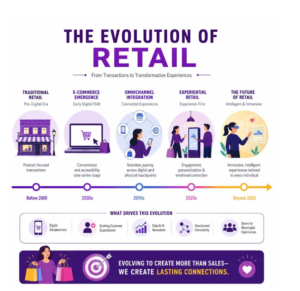
The fundamental difference between modern and traditional retail lies in their core objectives. Traditional retail, exemplified by the department stores that began to define “modern retail” in the late 19th century, was primarily transactional. The focus was on displaying goods, facilitating sales, and optimizing logistics for efficiency. As one historical perspective notes, the very concept of modern retail was defined in 1887 on Franklin St. in Chicago, IL, emphasizing accessibility and variety.
However, the digital age has shifted consumer expectations dramatically. With online shopping offering unparalleled convenience, physical stores must provide something more. This “something more” is experiential retail, which aims to forge an emotional connection with the customer. It integrates interactive elements, personalized services, and engaging activities to transform shopping into an immersive journey. This often includes “retailtainment,” where entertainment is woven into the shopping environment, or sensory marketing, which appeals to sight, sound, smell, touch, and taste to create lasting memories. The goal is to make the visit itself a reward, fostering loyalty that extends far beyond a single purchase.
Key Elements of Successful Modern Retail Experiences
Successful modern retail experiences are built on several interconnected pillars:
- Personalization: Tailoring the shopping journey to individual preferences is paramount. Data-driven insights allow retailers to offer customized recommendations, greetings, and services. As a testament to its impact, 60% of consumers become repeat buyers after a personalized shopping experience.
- Interactivity: Passive browsing is replaced by active engagement. This can range from digital touchscreens and interactive product displays to workshops and in-store events. The aim is to allow customers to participate in the brand story.
- Community Hubs: Stores are evolving into social spaces where people can gather, learn, and connect. This could involve hosting classes, cultural events, or simply providing comfortable areas for relaxation and interaction. For example, local initiatives like The Clove in Buffalo Grove, IL, or broader Lake County shopping destinations are increasingly incorporating community-focused elements to attract and retain visitors. These spaces offer more than just products; they offer reasons to linger and belong.
These elements collectively create an environment where the customer feels valued, entertained, and connected to the brand, ultimately driving engagement and loyalty.
Technology Integration: Creating Immersive In-Store Environments
Technology is the engine driving the modern retail revolution, enabling retailers to craft immersive and highly personalized experiences that were once unimaginable. From augmented reality (AR) and virtual reality (VR) to artificial intelligence (AI), the Internet of Things (IoT), and sophisticated mobile integrations, these tools are transforming physical stores into dynamic, engaging spaces. More than one-third of retail executives now view enhancing the in-store experience as a top growth opportunity, signaling the strategic importance of technology.
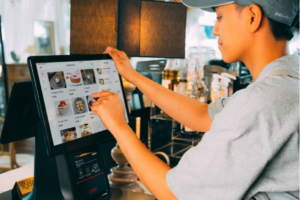
Retailers are increasingly investing in these innovations. In fact, 61% of retailers cite personalizing the customer in-store experience as a top IT priority. This focus is not just about novelty; it’s about making shopping more intuitive, efficient, and enjoyable. For consumers looking for seamless transactions and innovative ways to discover products, exploring various smart shopping platforms can reveal the cutting edge of retail technology.
Virtual Reality and Augmented Reality in Action
Virtual Reality (VR) and Augmented Reality (AR) are at the forefront of creating truly immersive retail environments:
- VR Showrooms: Imagine stepping into a virtual version of your dream home, complete with furniture you can configure and materials you can change, all before making a purchase. IKEA pioneered this with its IKEA VR Showroom, allowing customers to experience products interactively in a 3D environment. This not only enhances the customer journey but can also increase dwell time and create concrete purchasing impulses.
- Virtual Try-Ons: AR mirrors allow customers to virtually try on clothes, makeup, or even accessories without physically handling them. This reduces friction, saves time, and provides a fun, engaging experience.
- Interactive Product Discovery: AR apps can overlay digital information onto physical products, revealing details, reviews, or customization options simply by pointing a smartphone camera at an item. This blends the physical and digital, offering rich product information instantly.
These technologies transform passive browsing into active participation, making product exploration more engaging and informed. For those who appreciate how innovation can simplify choices and enhance daily life, considering how these advancements compare to the utility of innovative kitchen gadgets in the home can be insightful.
Conversational AI and Agentic Shopping Assistants
Artificial Intelligence (AI) is moving beyond data analytics to become a direct customer interface in stores, offering unparalleled personalization and convenience:
- AI Assistants: These intelligent systems engage customers in natural dialogue, understanding their needs and offering personalized recommendations. Amazon’s internal AI shopping assistant, for example, drove nearly $12 billion in incremental sales last year, demonstrating its power. Now, this expertise is available to other businesses through solutions like the AWS Agentic Shopping Assistant, allowing retailers to build their own AI-powered shopping experiences.
- Personalized Recommendations: AI can analyze past purchases, browsing history, and even real-time in-store behavior to suggest relevant products. This proactive personalization significantly enhances the shopping experience. Conversational shopping sessions, in particular, convert at 3.5 times the rate of traditional keyword searches, highlighting the effectiveness of this approach.
- Mobile Integration: AI-powered features are often integrated into retailer apps, providing a personalized experience that adds value to in-store shopping. A significant 86% of U.S. online adults consider it important for a retailer’s app to offer such personalized, relevant experiences.
These AI-driven tools empower customers with information and guidance, making shopping feel less like a chore and more like a guided, personal journey. This level of personalized assistance can be as strategic for in-store purchases as mastering online auction strategies is for finding unique items online.
Omnichannel Integration and the Phygital Customer Journey
Omnichannel integration is the backbone of modern retail, creating a seamless and consistent customer journey across all touchpoints, whether physical or digital. This “phygital” approach recognizes that customers don’t differentiate between channels; they simply want a cohesive and convenient experience.
The integration of online and offline channels allows for services like Buy Online, Pick Up In-Store (BOPIS), which offers the convenience of online shopping with the immediacy of physical pickup. Similarly, “endless aisle” kiosks in stores allow customers to browse and order products not physically stocked, expanding inventory virtually. Point-of-Sale (POS) systems are also evolving, becoming complete platforms that integrate inventory, customer data, and payment processing, supporting a truly unified experience.
Here’s a comparison of traditional vs. phygital retail touchpoints:
Feature/Aspect Traditional Retail Touchpoint Phygital Retail Touchpoint Product Discovery In-store browsing, print catalogs AR/VR apps, interactive displays, AI recommendations, online search Information Access Sales associate, product labels QR codes, NFC tags, mobile apps, smart mirrors, AI chatbots Purchase Cashier, physical checkout counter Self-checkout, mobile payment, online purchase for in-store pickup Customer Service In-store staff, phone support AI assistants, personalized app support, video consultations Inventory What’s physically on shelves Endless aisle, real-time online/in-store stock visibility Personalization Limited, based on associate memory Data-driven recommendations, personalized offers via app, AI Loyalty Physical loyalty cards Digital loyalty programs, app-based rewards Seamless Data Flow Across Physical and Digital Touchpoints
The magic of omnichannel lies in its seamless data flow. Customer profiles, built from interactions across all channels, provide a holistic view of preferences and purchasing habits. This data allows for hyper-personalization, ensuring that a customer’s online browsing history informs their in-store recommendations, and vice-versa. Real-time inventory management, for instance, prevents the frustration of ordering an item online only to find it’s out of stock in the local store.
Initiatives like McKinsey’s Modern Retail Collective exemplify this, bringing together multiple brands and technologies in a physical store to test and measure the impact of integrated data on customer journeys. This allows retailers to understand the profit-and-loss impact of a customer journey that truly integrates technology and experience. For high-value purchases, such as in Modern Mervis retail experiences for bespoke jewelry, this seamless integration ensures a personalized and informed experience from initial online browsing to the final in-store selection.
Designing Modern Retail Experiences for Gen Z and Millennials
Understanding generational preferences is crucial for designing effective modern retail experiences. While often seen as digital natives, Gen Z actually shows a strong preference for physical shopping, with 64% preferring to shop in-store rather than online. However, their expectations are high: 46% of Gen Z say negative in-store experiences would push them to shop online instead. This highlights the critical need for physical stores to deliver exceptional experiences.
Both Gen Z and millennials value experiences, community, and authenticity. They seek stores that offer more than just products—they want places to socialize, learn, and be entertained. This demographic drives the demand for experiential retail, where the journey is as important as the destination. Retailers are responding by creating vibrant, interactive spaces that cater to these desires. This includes offering unique events, personalized services, and engaging digital integrations that make the physical visit worthwhile. For these discerning shoppers, understanding the true value behind a purchase, whether it’s the experience or the product itself, is key—much like discerning the value in open box vs retail value deals.
Overcoming Implementation Challenges and Measuring ROI
Implementing modern retail technologies and strategies is not without its hurdles. Retailers often face challenges related to technology infrastructure, data privacy, and staff training. Integrating disparate systems, ensuring robust cybersecurity, and upskilling employees to utilize new tools effectively are complex undertakings. However, the benefits of enhanced customer engagement, increased sales, and deeper brand loyalty make these investments worthwhile.

Measuring the Return on Investment (ROI) for experiential retail can also be intricate. Unlike traditional sales metrics, the value generated by immersive experiences often extends to brand perception, customer lifetime value, and word-of-mouth marketing, which are harder to quantify. Yet, with careful planning and the right analytical tools, retailers can gain valuable insights into the effectiveness of their modern retail initiatives. For consumers, understanding these underlying retail strategies can lead to more informed purchasing decisions and a better shopping experience overall.
Balancing High-Tech Innovation with Human Insight
While technology offers incredible possibilities, the human element remains irreplaceable. The most successful modern retail experiences strike a delicate balance between high-tech innovation and genuine human insight. As one perspective wisely notes, “Data Measures Attention. Humans Measure Experience.” Technology can track customer behavior, but it often cannot fully capture emotional responses.
This is where qualitative feedback, such as through mystery shopping or direct customer surveys, becomes invaluable. It helps retailers understand if a smart shelf label feels useful or intrusive, or if immersive content creates excitement or distraction. The goal is to use technology to augment, not replace, human connection. Empowering store associates with mobile tools and comprehensive customer profiles allows them to offer personalized service, becoming trusted advisors rather than mere transaction facilitators. This blend ensures that while the experience is technologically advanced, it still feels authentic and emotionally resonant. The insights gained from truly understanding customer sentiment are crucial for refining immersive shoppable experiences and ensuring they resonate positively.
Key Metrics for Evaluating Experiential Retail Success
Measuring the ROI of experiential retail requires a broader set of metrics than traditional sales figures. Key performance indicators (KPIs) include:
- Dwell Time: How long customers spend in the store or engaging with specific installations. Longer dwell times often correlate with increased engagement and purchase intent.
- Conversion Rates: Not just immediate purchases, but also conversions to loyalty program sign-ups, app downloads, or online follow-up actions.
- Customer Lifetime Value (CLTV): Experiential retail aims to build long-term loyalty, so tracking the value of customers over time is crucial.
- Brand Sentiment and Advocacy: Monitoring social media mentions, reviews, and net promoter scores (NPS) to gauge emotional connection and likelihood of recommendation.
- Data Collection and Personalization Uptake: The extent to which customers engage with personalized offers or provide data, which can then be used to refine future experiences.
By analyzing these metrics, retailers can gain a comprehensive understanding of how their experiential investments translate into tangible business benefits, from increased engagement to enhanced brand loyalty and, ultimately, sustained revenue growth. This analytical approach is vital for all retail segments, including those offering premium dinnerware options, where brand perception and customer satisfaction are paramount.
Frequently Asked Questions about Modern Retail
As the retail landscape continues its rapid evolution in June 2026, many questions arise about the nature and impact of modern retail experiences. Here, we address some common queries regarding these transformative trends.
What is the difference between experiential retail and traditional retail?
The core distinction lies in their primary focus. Traditional retail is predominantly transactional, centered on the efficient sale of products. Its success is often measured by sales volume and inventory turnover. Experiential retail, on the other hand, is about creating an immersive and engaging journey for the customer, extending beyond the product itself. It aims to build emotional connections, entertain, educate, and foster a sense of community. Success in experiential retail is measured not just by sales, but also by customer engagement, brand loyalty, dwell time, and the overall memorability of the visit. While traditional retail emphasizes convenience and product availability, experiential retail prioritizes interaction, personalization, and storytelling.
How do retailers measure the ROI of immersive in-store technology?
Measuring the ROI of immersive in-store technology is complex but achievable through a combination of quantitative and qualitative data. Quantitatively, retailers track metrics such as increased foot traffic, longer dwell times, higher conversion rates for specific products or areas, and incremental sales directly attributable to the technology. They also look at customer lifetime value (CLTV) and repeat purchase rates to understand long-term impact. Qualitatively, retailers gather insights through customer feedback, surveys, and observational studies (like mystery shopping) to assess emotional responses, perceived value, and overall satisfaction. This helps determine if the technology feels intuitive or intrusive, exciting or distracting. The ultimate goal is to connect these engagement and satisfaction metrics back to tangible business outcomes like brand loyalty and revenue growth.
What role does personalization play in modern brick-and-mortar stores?
Personalization is a cornerstone of modern brick-and-mortar stores, transforming generic shopping trips into unique, tailored experiences. It involves using customer data and profiles to offer relevant product recommendations, personalized greetings, and customized services. For instance, store associates, empowered with mobile tools, can access a customer’s purchase history and preferences to provide expert advice and suggest items they are likely to love. This approach not only makes customers feel valued but also streamlines their shopping journey, reducing decision fatigue and increasing satisfaction. Personalization also extends to curated events, one-on-one consultations, and even customized product configurations, all designed to create a shopping experience that feels uniquely crafted for the individual.
Conclusion
The journey through modern retail experiences reveals a landscape fundamentally reshaped by consumer demand for authenticity, connection, and immersion. In June 2026, the era of purely transactional shopping is firmly behind us. Retailers are no longer just selling products; they are crafting narratives, building communities, and delivering unforgettable moments. From the captivating allure of augmented and virtual reality to the intelligent guidance of AI assistants, technology is enabling a new paradigm of personalized and seamless customer journeys.
The future of retail will continue to be defined by phygital spaces where the digital and physical realms merge effortlessly. Concepts like retail media, where stores themselves become dynamic advertising platforms, and community-driven experiences will only grow in prominence. The “Organic Retail” concept, treating retail spaces as living, adaptive organisms rather than static footprints, will become the norm. Success will hinge on continuous adaptation, balancing high-tech innovation with genuine human insight, and a relentless focus on the customer. As we look ahead, the retail environment will be a vibrant, ever-evolving ecosystem where every interaction is an opportunity to engage, inspire, and build lasting loyalty. And for those who appreciate timeless quality and design, the enduring appeal of items like classic white dinnerware will always find its place within these innovative retail landscapes.