
By June 2026, businesses are navigating a complex landscape where effective workforce management is paramount. Attracting and retaining top talent while staying ahead of ever-changing compliance demands is crucial for sustained growth. We understand these challenges.
In this extensive guide, we will explore how robust HR and Staffing Solutions can empower your organization. We’ll examine strategies for efficient talent acquisition, discuss the various staffing models available, and highlight how to ensure strict employment compliance—from managing I-9s to leveraging an HR E-Verify agent account. Our goal is to provide actionable insights for streamlining your operations and securing your workforce’s future.
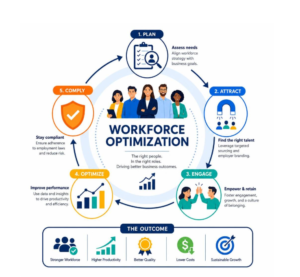
The modern business environment demands agility and strategic foresight in talent acquisition. HR and staffing solutions have evolved significantly to meet these needs, offering a spectrum of services designed to connect companies with the right professionals at the right time. From generalist support to highly specialized roles, staffing agencies act as critical partners, leveraging their extensive networks and recruitment expertise to identify and place qualified candidates swiftly and efficiently. For instance, reputable firms like ESS HR and Staffing Solutions have a long-standing history, with some connecting skilled professionals with top organizations for 25 years around St. Louis and Springfield, MO, demonstrating deep regional market knowledge. Others, such as HRSS Corp, boast impressive track records, having filled over 5,000 positions and assisted more than 100 employers, showcasing their capacity to handle significant hiring volumes.
Staffing solutions primarily fall into categories addressing either temporary or permanent talent needs. Temporary staffing, including contract and project-based roles, provides businesses with the flexibility to scale their workforce up or down based on current demands, special projects, or seasonal fluctuations. This model is ideal for covering leaves of absence, managing peak workloads, or bringing in specialized skills for a defined period without the long-term commitment of a permanent hire. Direct hire, on the other hand, focuses on sourcing candidates for full-time, permanent positions within an organization. This typically involves a more rigorous recruitment process, ensuring not only skill alignment but also cultural fit for enduring contributions to the company. Many agencies offer a hybrid “temp-to-hire” option, allowing businesses to evaluate a candidate’s performance and fit before making a permanent offer.
The choice between temporary and permanent placement hinges on a company’s strategic objectives, budget constraints, and the nature of the role. Understanding these distinctions is crucial for optimizing workforce management and achieving business goals.
Feature Temporary/Contract Staffing Permanent Placement Duration Short-term, project-based, seasonal Long-term, indefinite Flexibility High; easy to scale up or down Low; significant commitment Cost Structure Hourly rate, often includes agency fees, benefits handled by agency Salary, benefits, taxes, recruitment fees (one-time) Commitment Limited; no long-term employment obligation High; full-time employee Speed of Hire Generally faster, rapid deployment Slower, more extensive vetting Risk Lower; minimal HR overhead, easier termination Higher; greater investment in onboarding and retention Ideal Use Case Special projects, peak seasons, skill gaps, interim roles Core roles, leadership, long-term strategic positions Key Components of HR and Staffing Solutions
Effective HR and staffing solutions encompass a range of critical services that extend beyond simple candidate placement. These components are designed to create a holistic talent ecosystem that supports a company’s strategic objectives.
- Recruitment: This is the core function, involving identifying, attracting, and screening potential candidates. Modern recruitment utilizes advanced sourcing techniques, including AI-driven platforms, social media outreach, and robust professional networks to find both active and passive job seekers. Staffing agencies excel here, often having access to a wider pool of pre-vetted talent than individual companies might.
- Onboarding: Once a candidate is selected, effective onboarding is crucial for integration and retention. Staffing solutions can assist with streamlining paperwork, ensuring compliance, and providing initial training resources, setting new hires up for success.
- Employee Retention: Beyond placement, many HR solutions offer strategies to improve employee satisfaction and reduce turnover. This can include performance management systems, professional development programs, and cultural integration initiatives. Fuzion HR Solutions, for example, prides itself on a 94% retention rate for its placements, demonstrating the impact of focusing on fit and ongoing support.
- Workforce Planning: This strategic component involves forecasting future talent needs based on business goals, market trends, and internal capabilities. Staffing partners can provide valuable insights into talent availability and compensation benchmarks, helping companies proactively build a resilient workforce. For comprehensive staffing solutions that can help your business navigate these complexities, exploring options like ESS HR and Staffing Solutions can be highly beneficial.
How HR and Staffing Solutions Drive Business Growth
Leveraging HR and staffing solutions is not just about filling vacancies; it’s a strategic move that can significantly contribute to a company’s growth trajectory. These solutions offer distinct advantages that empower businesses to operate more efficiently, adapt to market changes, and ultimately thrive.
- Scalability: Businesses often experience fluctuating demands. Staffing solutions provide the unparalleled ability to scale operations quickly, whether it’s ramping up for a new project, expanding into new markets, or adjusting to seasonal peaks. This agility prevents overstaffing during lean times and understaffing during growth phases, optimizing resource allocation.
- Cost Reduction: While there’s an investment in agency fees, staffing solutions can lead to substantial cost savings. They reduce internal recruitment costs (advertising, screening time, internal HR bandwidth), minimize the expense of employee benefits for temporary staff, and lower the risks associated with bad hires. By providing pre-vetted candidates, agencies shorten time-to-hire, reducing lost productivity from open positions.
- Specialized Talent Access: For niche roles or highly specialized skills, finding the right talent can be a significant challenge. Staffing agencies often have dedicated recruiters with deep industry knowledge and extensive networks in specific fields. This allows businesses to access top-tier professionals who might otherwise be difficult to reach, including those with expertise in areas like HRIS implementation, compensation analysis, or complex compliance.
- Market Agility: The ability to quickly adapt to market shifts, technological advancements, and competitive pressures is vital. HR and staffing partners help companies remain agile by providing rapid access to new skill sets, offering insights into talent market trends, and facilitating quick adjustments to workforce composition. This responsiveness allows businesses to seize opportunities and mitigate risks more effectively.
Ensuring Compliance and Mitigating Risk in Staffing
In the intricate landscape of workforce management, ensuring compliance and mitigating risk are paramount. The regulatory environment surrounding employment is constantly evolving, making it challenging for businesses to stay abreast of all legal requirements. This is where robust HR and staffing solutions prove invaluable. They help companies navigate complex labor laws, implement thorough background screening processes, and establish practices that minimize legal and financial exposure.
The Role of Background Screening and Verification

A critical component of risk mitigation in staffing is comprehensive background screening and verification. This process is essential for protecting a company’s assets, reputation, and existing workforce. Reputable staffing firms partner with specialized services to conduct thorough checks. HireRight, for example, serves over 40,000 companies worldwide, offering a unified platform for extensive screening services.
Key aspects of background screening include:
- Identity Verification: Confirming a candidate’s identity through document verification and other checks to prevent fraud.
- Criminal Background Checks: Reviewing criminal records at various levels (local, state, national) to identify any past offenses that could pose a risk to the workplace or specific job functions.
- Credential Verification: This includes verifying educational degrees, professional licenses, certifications, and employment history. This ensures candidates possess the qualifications they claim and have the necessary experience for the role. Professional references are also typically checked to gain insights into a candidate’s past performance and work ethic.
These meticulous checks are fundamental in ensuring that only qualified and trustworthy individuals are brought into an organization, safeguarding against potential issues like workplace violence, theft, or regulatory non-compliance.
Managing Employment Eligibility and Audits
Beyond background checks, ensuring employment eligibility is a non-negotiable aspect of compliance. This primarily revolves around the proper completion and maintenance of Form I-9, which verifies the identity and employment authorization of individuals hired for employment in the United States. The U.S. Citizenship and Immigration Services (USCIS) mandates strict adherence to I-9 procedures, and errors can lead to significant penalties.
- I-9 Audits: Companies can face I-9 audits from government agencies, making accurate record-keeping and timely completion crucial. Staffing agencies often manage this process for their placements, ensuring all documentation is correctly handled.
- E-Verify: Many employers, especially those with federal contracts or in certain states, are required or choose to use E-Verify, an internet-based system that compares information from an employee’s Form I-9 to data from U.S. Department of Homeland Security and Social Security Administration records to confirm employment eligibility. Leveraging an HR E-Verify agent account can significantly streamline this process, reduce administrative burden, and minimize errors, ensuring a compliant workforce.
- Compliance Consulting: Specialized HR and staffing firms offer compliance consulting services, providing expertise on evolving labor laws, wage and hour regulations, and other federal, state, and local employment requirements. This proactive approach helps businesses avoid costly legal issues and maintain a compliant operational framework. For comprehensive guidance on regulatory standards and other vital HR functions, seeking professional HR services can be an invaluable resource.
Choosing the Right Staffing Partner for Your Business
Selecting the ideal HR staffing partner is a strategic decision that can profoundly impact a company’s talent acquisition success and overall operational efficiency. It’s not merely about finding someone to fill positions; it’s about forging a partnership that aligns with your organizational culture, values, and long-term goals. Companies must look beyond basic service offerings and delve into an agency’s expertise, track record, and commitment to quality.
When evaluating potential partners, consider the following:

- Industry Specialization: Does the agency have a deep understanding of your industry and the specific HR roles you need to fill? Agencies with specialized recruiters often have a more robust network of qualified candidates and a better grasp of the unique challenges and requirements of your sector.
- Recruitment Process and Technology: Inquire about their sourcing strategies, screening methodologies, and the technology they employ. Do they use advanced applicant tracking systems, AI-driven matching tools, or extensive behavioral interviewing techniques? KORE1, for instance, prides itself on a 48-hour average first submission time for candidates and has placed over 400 HR professionals, demonstrating efficiency driven by a structured process and experienced recruiters.
- Cultural Fit Assessment: A good staffing partner understands that cultural alignment is as crucial as skill set. Ask how they assess a candidate’s cultural fit with your organization. This often involves in-depth interviews, understanding your company’s values, and even incorporating personality assessments.
- Compliance Expertise: Verify their knowledge of employment laws, background check regulations, and I-9/E-Verify requirements. A strong partner will help ensure that all placements are fully compliant, mitigating your risk.
- Client Satisfaction and Metrics: Look for agencies that can provide tangible metrics on their success. This includes client satisfaction ratings, candidate retention rates, and average time-to-fill. Less than 2% of all staffing firms in the U.S. receive the prestigious Clearly Rated Best of Staffing Awards for Client and Talent, signifying that those who do are truly exceptional. Fuzion HR Solutions, for example, boasts a 4.9 client rating and a 94% retention rate, indicating a strong focus on quality and client success. For a detailed look at how such agencies operate, you might explore resources like Fuzion HR Solutions | Recruitment Agency in India (Permanent & Contract Staffing).
Evaluating Agency Expertise and Retention Rates
A staffing agency’s expertise is often reflected in its ability to consistently place high-quality candidates who remain with the hiring company long-term. Retention rates are a powerful indicator of an agency’s effectiveness in matching the right talent with the right opportunity. A high retention rate suggests that the agency not only finds skilled individuals but also ensures a strong cultural and professional fit, leading to greater job satisfaction and reduced turnover for the employer.
Leading HR staffing firms measure success not just by the number of placements but by the enduring positive impact those placements have on their clients’ organizations. This involves:
- Post-Placement Support: Offering follow-up and support to both the client and the placed candidate to address any initial challenges and ensure smooth integration.
- Client Feedback Mechanisms: Regularly soliciting feedback through surveys, check-ins, and performance reviews to continuously improve their services.
- Long-Term Partnerships: Building lasting relationships with clients, often becoming an extension of their internal HR or talent acquisition teams.
- Specialized Knowledge: Agencies like KORE1, which specializes in Human Resources Staffing Solutions, demonstrate deep expertise in understanding the nuances of HR roles, from HR Generalists to CHROs. Their recruiters often have extensive HR backgrounds themselves, allowing them to truly understand the requirements of the roles they are filling. To learn more about how specialized agencies operate, consider visiting sites like HR Staffing Agency | Human Resources Staffing Solutions | KORE1.
By scrutinizing these aspects, businesses can confidently select a staffing partner that not only meets their immediate hiring needs but also contributes to their long-term strategic success.
Frequently Asked Questions about Workforce Management
Navigating the complexities of workforce management and HR staffing can raise numerous questions for businesses of all sizes. Here, we address some of the most common inquiries, providing insights into industry standards and best practices.
What are the main types of HR staffing solutions available today?
The landscape of HR staffing solutions is diverse, designed to meet a wide array of business needs. The primary types include:
- Temporary Staffing: Providing workers for short-term projects, seasonal demands, or to cover employee absences. These roles are typically contract-based, offering flexibility to the employer.
- Direct Hire (Permanent Placement): Sourcing and placing candidates for full-time, permanent positions within a company. The staffing agency handles the recruitment process, and the candidate becomes an employee of the client company from day one.
- Contract-to-Hire: A hybrid model where a candidate works for a company on a temporary basis (often through the staffing agency) with the mutual understanding that they may be hired permanently after a probationary period. This allows both parties to assess fit before committing to a long-term role.
- Executive Search: Specializing in recruiting highly qualified candidates for senior-level, executive, and specialized leadership positions. This often involves a more targeted and confidential search process.
- Managed Services Programs (MSP) / Recruitment Process Outsourcing (RPO): For larger organizations, these involve outsourcing the management of contingent workforce programs (MSP) or the entire recruitment function (RPO) to an external provider.
How do staffing agencies ensure compliance and cultural fit?
Staffing agencies employ a multi-faceted approach to ensure both compliance and cultural fit, critical elements for successful placements:
- Rigorous Screening Processes: This goes beyond resume review to include in-depth interviews (often behavioral-based), skill assessments, reference checks, and comprehensive background screenings (criminal, education, employment verification).
- Compliance Audits and Expertise: Agencies stay current with federal, state, and local employment laws, including I-9 verification, E-Verify, wage and hour regulations, and anti-discrimination laws. They conduct internal audits to ensure their processes are compliant and guide clients accordingly.
- Understanding Client Culture: Effective agencies invest time in understanding a client’s organizational culture, values, work environment, and team dynamics. This involves discussions with hiring managers, HR teams, and sometimes even site visits.
- Behavioral Interviews: These interviews focus on a candidate’s past behaviors and how they handled specific situations, providing insights into their soft skills, problem-solving abilities, and how they might adapt to a new environment.
- Onboarding Support: While the client ultimately manages onboarding, agencies can provide resources or guidance to ensure a smooth transition, which contributes to long-term retention and fit.
What industries benefit most from specialized HR staffing?
While virtually any industry can benefit from HR staffing, certain sectors particularly gain from specialized services due to their unique talent demands, regulatory environments, or rapid growth. These include:
- Healthcare: High demand for specialized medical and administrative staff, coupled with stringent credentialing and compliance requirements.
- Technology: Rapidly evolving skill sets and a competitive talent market necessitate agencies with deep tech industry knowledge.
- Manufacturing: Needs for skilled production workers, engineers, and supply chain professionals, often with specific safety certifications.
- Logistics and Transportation: High volume needs for drivers, warehouse staff, and operational managers, often requiring specific licenses and compliance with transportation regulations.
- Professional Services (e.g., Finance, Legal, Consulting): Demand for highly educated and experienced professionals, where niche expertise and cultural fit are paramount.
- Human Resources (HR Professionals): Ironically, HR departments themselves often utilize specialized HR staffing firms to find top HR talent, from generalists to HRIS specialists, benefits managers, and CHROs, due to the unique blend of regulatory knowledge, people skills, and strategic acumen required for these roles.
Conclusion
In the dynamic business landscape of June 2026, the strategic importance of robust HR and staffing solutions cannot be overstated. From navigating complex compliance mandates to securing specialized talent, these solutions are the bedrock of efficient workforce management. By embracing diverse staffing models—whether temporary, direct hire, or contract-to-hire—businesses gain the agility to scale operations, optimize costs, and access the precise skills needed to drive innovation and growth.
The future of HR staffing and talent acquisition is being shaped by several key trends, including the increasing adoption of AI and analytics for smarter candidate matching, the rise of remote and hybrid work models demanding more flexible talent strategies, and a continued emphasis on diversity, equity, and inclusion in hiring practices. Companies that proactively adapt to these trends, leveraging external staffing expertise, will be best positioned for success.
Partnering with the right HR staffing agency offers more than just filling vacancies; it provides strategic alignment, ensures compliance, and cultivates a resilient and agile workforce ready to meet tomorrow’s challenges. By focusing on quality, cultural fit, and continuous improvement, businesses can transform their talent acquisition into a powerful engine for sustained success.