
While often used interchangeably, “wealth preservation” and “wealth protection” represent distinct, yet equally vital, pillars of long-term financial security. Understanding their nuances is the first step in constructing a resilient financial strategy.
Wealth preservation focuses on maintaining and growing the real value and purchasing power of your assets over time. This involves guarding against the erosive forces of inflation, market volatility, and taxation. Strategies for wealth preservation typically include:
- Diversified investment portfolios: Spreading investments across various asset classes (stocks, bonds, real estate, commodities) to mitigate risk and capture growth.
- Inflation hedging: Investing in assets that historically perform well during inflationary periods, such as real estate or inflation-indexed securities. For those looking to safeguard against currency devaluation and economic instability, exploring options for Precious metals wealth protection can be a valuable component of a diversified portfolio.
- Tax-efficient investing: Utilizing tax-advantaged accounts (like 401(k)s, IRAs, Roth accounts) and strategies to minimize the impact of taxes on investment returns.
- Strategic asset allocation: Adjusting your portfolio mix based on economic conditions and your life stage to ensure sustained growth.
Wealth protection, on the other hand, is about shielding your accumulated assets from unforeseen external threats. These threats include lawsuits, creditors, divorce, business failures, and other liabilities that could otherwise liquidate or significantly diminish your wealth. Effective wealth protection strategies aim to create legal barriers between your assets and potential claimants. This is not about hiding assets, but legally structuring ownership to make them less accessible to future claims.
Both preservation and protection are indispensable for a comprehensive financial plan. Preserving wealth ensures your financial resources continue to grow and retain their value, while protecting wealth ensures those resources aren’t seized by external forces. A robust strategy integrates both, creating a financial fortress that can withstand both economic headwinds and legal challenges. Without protection, even a well-preserved fortune can be lost in a single adverse event. Conversely, without preservation, protected assets might slowly lose their purchasing power.
Designing a Multi-Layered Wealth Protection Architecture
For high-net-worth individuals, a single layer of defense is rarely sufficient. A truly effective wealth protection plan employs a multi-layered approach, creating a “fortress” around your assets. This involves strategically utilizing a combination of legal structures and financial instruments, each serving a specific purpose in insulating your wealth from risk.
Key Asset Protection Strategies:
- Liability Insurance: This is often the first and most fundamental line of defense. Standard auto and homeowner’s policies provide a baseline, but for significant wealth, an umbrella liability policy is crucial. These policies extend liability coverage beyond the limits of your primary insurance, typically offering $1 million to $5 million (or more) in additional protection against claims arising from accidents, personal injury, or property damage. While relatively inexpensive, it’s a critical buffer against initial lawsuits.
- Limited Liability Companies (LLCs) and Limited Partnerships (LPs): These entities are cornerstones of asset protection, particularly for business owners and real estate investors.
- For businesses: An LLC or LP separates your personal assets from your business liabilities. If your business faces a lawsuit, your personal home, savings, and investments are generally protected.
- For real estate: Holding rental properties in separate LLCs can isolate the liability of each property. If a tenant is injured on one property and sues, only the assets within that specific LLC are typically at risk, not your other properties or personal wealth. The key is proper formation, capitalization, and strict adherence to corporate formalities (e.g., separate bank accounts, clear operating agreements) to prevent a court from “piercing the corporate veil.”
- Trusts: Trusts are powerful, versatile tools for asset protection, especially when designed as irrevocable structures.
- Irrevocable Trusts: Unlike revocable living trusts (which offer no creditor protection because you retain control), irrevocable trusts transfer asset ownership from you to the trust. Once assets are in an irrevocable trust, they are generally beyond the reach of your personal creditors. This relinquishment of control is precisely what provides the protection. Examples include:
- Domestic Asset Protection Trusts (DAPTs): Available in a growing number of states (currently 19, including Alaska, Delaware, Nevada, and Wyoming), DAPTs allow the grantor to be a discretionary beneficiary while still protecting assets from creditors, provided certain conditions are met and the trust is established well in advance of any claims.
- Irrevocable Life Insurance Trusts (ILITs): These trusts own life insurance policies, removing the death benefit from your taxable estate and protecting it from creditors of the insured or beneficiaries.
- Qualified Personal Residence Trusts (QPRTs): Used to remove the value of a primary residence from your taxable estate, with the added benefit of some creditor protection after a certain period.
- Lifetime Trusts for Children: Parents can establish irrevocable trusts for their children, ensuring inheritances are protected from a child’s future creditors, divorce settlements, or poor financial decisions.
- Retirement Accounts: Many employer-sponsored plans (like 401(k)s, 403(b)s, and pension plans) receive robust protection under federal law (ERISA) from creditors, even in bankruptcy. Individual Retirement Accounts (IRAs) also receive significant, though often state-specific, protection from creditors, particularly in bankruptcy. Maximizing contributions to these accounts is not just a tax-efficient retirement strategy but also a fundamental asset protection measure.
- Homestead Exemptions: Many states offer homestead exemptions that protect a portion, or in some cases all, of the equity in your primary residence from creditors. The amount varies widely by state, from a few thousand dollars to unlimited protection in states like Florida and Texas. Understanding your state’s homestead laws and proactively filing for the exemption (if required) can shield a significant asset.
Comparing Key Protection Tools
Feature Umbrella Insurance Limited Liability Company (LLC) Domestic Asset Protection Trust (DAPT) Primary Purpose Broad liability coverage beyond primary policies Segregate business/property liability from personal assets Shield personal assets from creditors while allowing grantor access Cost Low (e.g., $150-$300/year for $1M) Moderate (formation fees, annual state fees, legal drafting) High (legal fees $5,000-$15,000+, ongoing administration) Control Retain full control over assets Retain operational control of business/property Grantor relinquishes direct control; discretionary beneficiary Effectiveness Excellent for general liability claims Strong for business/property-specific claims (if properly managed) High for future, unforeseen claims (if properly funded and timed) Timing Can be obtained anytime Best formed before business/property acquisition or risk arises Must be funded well in advance of any known or anticipated claim Risks/Trade-offs Limited to policy limits; doesn’t protect from claims Piercing the veil if formalities ignored; charging order risk Loss of direct control; complex; not recognized in all states Building this multi-layered defense requires careful planning and professional guidance. It’s about creating a robust structure that makes your assets less attractive targets for litigation, as discussed in detail on Asset Protection: How the Wealthy Reduce Exposure to Risk. The goal is to deter potential claimants or, failing that, to make the cost of pursuing your assets prohibitive.
Timing, Compliance, and the 2026 Estate Tax Cliff
The success of any asset protection plan hinges critically on two factors: timing and legal compliance. Acting proactively, well before any threat emerges, is paramount. Attempting to move assets after a claim has arisen or is reasonably foreseeable can not only be ineffective but can also lead to severe legal repercussions.
The Uniform Voidable Transactions Act (UVTA), adopted in over 40 states, is a critical piece of legislation to understand. It allows courts to “unwind” transfers of assets made with the intent to defraud, hinder, or delay creditors. This means if you transfer assets into a protective structure when you know or should know a lawsuit is imminent, a court can declare that transfer a “fraudulent conveyance” and bring the assets back into your reach for creditors. The “look-back period” for such transfers can extend several years, depending on state law. This underscores the unique opinion that many protection planning options must be initiated prior to any liability or anticipated liability.
The 2026 Estate Tax Cliff: A Looming Deadline
As of June 2026, a significant event on the financial horizon demands immediate attention: the 2026 estate tax cliff. The provisions of the 2017 Tax Cuts and Jobs Act (TCJA) that dramatically increased the federal gift and estate tax exemptions are scheduled to sunset on January 1, 2026. This means that, without Congressional action, the exemption amount will approximately halve, returning to its pre-TCJA levels (adjusted for inflation).
Currently, the federal estate tax exemption is $13.61 million per individual (for 2024), effectively $27.22 million for a married couple. After the sunset, this could drop to around $7 million per individual. For high-net-worth families, this reduction could expose millions of dollars to the federal estate tax, which currently has a top rate of 40%. This creates an urgent window of opportunity for estate and gift tax planning, particularly for those with estates exceeding the anticipated lower exemption thresholds.
Key Steps to Prepare for the 2026 Estate Tax Cliff:
- Utilize your current exemption: Consider making substantial gifts to heirs or trusts before December 31, 2025, to leverage the higher exemption amounts. The IRS has confirmed that gifts made under the higher exemption will not be “clawed back” into your estate if the exemption later decreases.
- Review existing estate plans: Re-evaluate your wills, trusts, and beneficiary designations in light of the potential changes. What worked under the higher exemption may not be optimal under the lower one.
- Consider Irrevocable Trusts: Structures like Irrevocable Life Insurance Trusts (ILITs), Grantor Retained Annuity Trusts (GRATs), and other irrevocable trusts can be powerful tools to move assets out of your taxable estate while leveraging the current higher gift tax exemption.
- Explore advanced strategies: For very large estates, more sophisticated techniques like Family Limited Partnerships (FLPs) or charitable lead/remainder trusts might be appropriate.
- Consult with professionals: Engage an estate planning attorney and a tax advisor immediately to model the potential impact on your estate and develop a tailored strategy.
The interplay of timing, legal compliance, and impending tax law changes makes proactive planning not just advisable, but critical. As discussed in Multi-Layered Asset Protections for High-Net-Worth Families, building a comprehensive defense requires foresight and strategic action, especially when significant legislative shifts are on the horizon. Waiting until the last minute, or worse, until a claim materializes, is a recipe for diminished protection and potential financial loss.
Integrating Local Tax Reduction: Nassau and Suffolk County Property Tax Grievances
While much of wealth protection focuses on shielding assets from lawsuits and creditors, another significant threat to accumulated wealth, particularly for homeowners, comes in the form of property taxes. For residents of Long Island, specifically Nassau and Suffolk Counties, understanding and utilizing the property tax grievance process is a vital,, form of wealth protection and tax reduction.
Property taxes represent a recurring and substantial expense for homeowners. If your property is over-assessed, you could be paying hundreds or even thousands of dollars more than your fair share each year. Over time, these excess payments erode your wealth, reducing disposable income and the equity you build in your home. Proactively challenging an unfair assessment is a direct way to protect your financial resources.
In Nassau County, the property tax grievance process involves filing an appeal with the Assessment Review Commission (ARC). Similarly, in Suffolk County, residents can grieve their property taxes through their respective town’s Board of Assessment Review. Both counties have strict annual deadlines for filing these grievances, typically in the spring. Missing these deadlines means forfeiting your opportunity to reduce your assessment for that tax year.
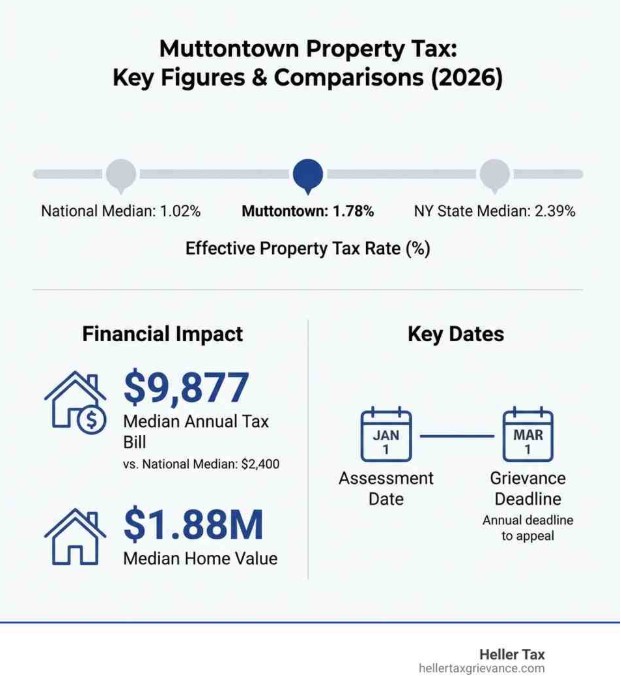
The process usually involves demonstrating that your property’s assessed value is higher than its true market value, often by comparing it to similar properties that have recently sold in your neighborhood. While it might seem daunting, professional assistance can simplify the process and significantly increase your chances of success. Engaging with experts who understand the local assessment methodologies and appeal procedures can yield substantial savings. For residents seeking to challenge their property tax assessments, exploring options for a Wealth protection Nassau appeal can be a crucial step in preserving financial well-being.
This form of tax reduction directly contributes to wealth protection by ensuring you retain more of your income and home equity. It’s a tangible way to safeguard your financial future against an often-overlooked drain on resources. To learn more about how to effectively navigate this process and potentially save significant amounts, we recommend reading The Top 5 Secrets You Must Know to Successfully Lower Your Property Taxes. By integrating local tax reduction strategies into your broader wealth protection plan, you create a more comprehensive defense against financial erosion.
Frequently Asked Questions
How does a wealth protection trust differ from a standard living trust?
The primary distinction lies in their purpose and the level of control retained by the grantor (the person who creates the trust). A standard living trust (also known as a revocable living trust) is primarily an estate planning tool designed to avoid probate, manage assets during incapacity, and provide for orderly distribution upon death. Because the grantor retains the power to revoke or amend the trust and control its assets, it offers zero creditor protection. Creditors view the assets in a revocable trust as still belonging to the grantor.
A wealth protection trust, typically an irrevocable trust, is specifically designed to shield assets from creditors, lawsuits, and other claims. To achieve this protection, the grantor must relinquish control over the assets once they are transferred into the trust. The trust becomes the legal owner, and the grantor can no longer unilaterally revoke the trust, take assets out, or direct distributions. This relinquishment of control is what creates the legal barrier between the assets and the grantor’s personal liabilities. While the grantor might still be a discretionary beneficiary (especially in a Domestic Asset Protection Trust), the assets are legally separate, making them inaccessible to personal creditors.
When is the ideal time to implement a wealth protection plan?
The ideal time to implement a wealth protection plan is as early as possible, well before any potential claim or liability arises. This is a critical point that cannot be overstated. Asset protection is a proactive strategy, not a reactive one. Trying to move assets into protective structures once a lawsuit is imminent, or even reasonably anticipated, is likely to be considered a “fraudulent conveyance” under the Uniform Voidable Transactions Act (UVTA). As discussed earlier, courts can unwind such transfers, potentially penalizing the individual involved.
Most effective asset protection strategies require a “seasoning period” or “look-back period” (which can range from months to several years, depending on the state and the type of structure) during which the assets must remain in the protective structure before they are fully shielded. Therefore, the best time to start is when you are in “calm waters”—when you have no known creditors, pending lawsuits, or foreseeable claims. This ensures your plan is legally sound and effective when you need it most.
What are the most common mistakes in asset protection?
Many individuals make critical errors that can undermine or completely void their asset protection efforts:
- Acting Too Late: As mentioned, attempting to transfer assets after a claim has surfaced or is anticipated is the most common and fatal mistake, often resulting in fraudulent conveyance accusations.
- Retaining Too Much Control: For protective trusts, grantors often want to maintain significant control over the assets. However, the more control you retain, the less protection the trust offers. True protection often requires relinquishing significant control to an independent trustee.
- Commingling Funds: For entities like LLCs, failing to maintain strict separation between personal and business finances (e.g., using a business account for personal expenses) can lead to “piercing the corporate veil,” making personal assets vulnerable to business liabilities.
- Using DIY Templates Without Professional Guidance: While tempting, using generic online templates for complex legal structures like trusts or LLCs without consulting an experienced attorney often results in improperly drafted documents that fail to provide the intended protection when challenged.
- Failing to Fund Structures Properly: Simply creating an LLC or trust document is not enough; assets must be formally transferred and titled into the new entity. An unfunded trust or an LLC without assets offers no protection.
- Neglecting Ongoing Compliance: Protective structures require ongoing maintenance, including annual state filings for LLCs, proper record-keeping, annual reviews of trusts, and adherence to all legal formalities. Neglecting these can render the structures ineffective.
- Ignoring Insurance as the First Line of Defense: Some individuals jump to complex legal structures while overlooking adequate liability insurance, which is often the most cost-effective initial layer of protection.
Avoiding these common pitfalls requires careful planning, meticulous execution, and the guidance of experienced legal and financial professionals who specialize in asset protection.
Conclusion
In a world filled with financial uncertainties and legal complexities, building wealth is only half the battle; safeguarding it is the other, equally critical, half. As we navigate June 2026 and beyond, the need for robust wealth protection and proactive tax reduction strategies has never been more evident. From the ever-present threat of litigation to the impending 2026 estate tax cliff and the ongoing burden of property taxes, your financial future demands a comprehensive and multi-layered defense.
We’ve explored the essential distinctions between wealth preservation and wealth protection, emphasizing that both are vital for enduring financial security. We’ve delved into the architectural components of a resilient plan, from the foundational shield of liability insurance and the asset-segregating power of LLCs to the profound protection offered by various trusts and the statutory safeguards of retirement accounts. Crucially, we’ve highlighted that the efficacy of these tools hinges on impeccable timing and strict legal compliance, particularly in light of the significant estate tax changes on the horizon. Furthermore, we’ve underscored how local tax reduction efforts, such as property tax grievances in Nassau and Suffolk Counties, play a direct role in preserving your hard-earned capital.
A truly effective wealth protection strategy is bespoke, meticulously crafted to your unique personal and professional risk profile. It requires foresight, diligence, and the collaborative expertise of a team of professionals—including attorneys, financial advisors, and tax specialists. By embracing this proactive and comprehensive approach, you can mitigate risks, enhance tax efficiency, and ensure that your legacy is not merely built, but securely preserved for generations to come.