As we navigate our golden years, securing our financial future becomes a key concern. This is true not just for ourselves, but also for our loved ones. For seniors in Ohio, understanding life insurance options helps ensure peace of mind. It also protects against unexpected financial burdens.
Many people believe that life insurance becomes too expensive or hard to get as you age. However, this is often not the case. We are here to clarify how affordable Ohio senior life insurance can fit into a comprehensive financial plan. It is a realistic and accessible option.
This article will explore the different types of life insurance available to Ohio seniors. We will look at factors that affect costs. We will also discuss options for those with health conditions. Additionally, we will cover Ohio-specific regulations. Our goal is to help you compare quotes to find the best value. This information will help you make informed decisions about your coverage. It aims to protect your legacy without straining your budget.
Financial planning and insurance are crucial components of a secure retirement, especially for seniors in Ohio. As individuals transition into their golden years, the focus shifts from accumulating wealth to preserving it and ensuring it lasts throughout retirement, while also providing for loved ones after they are gone. This involves a careful assessment of existing assets, potential risks, and the tools available to mitigate them. Insurance, in its many forms, acts as a protective layer, safeguarding against unforeseen circumstances that could otherwise derail a meticulously planned financial future.

For Ohio seniors, understanding the landscape of financial products and the regulatory environment is paramount. This includes not just life insurance, but also annuities, long-term care insurance, and health coverage, all of which play a vital role in comprehensive financial well-being. The state of Ohio has specific regulations and consumer protections in place to ensure that policyholders are treated fairly and that their interests are safeguarded. It is essential to remember that coverage, eligibility, and limits depend on the specific product, situation, and Ohio regulations.
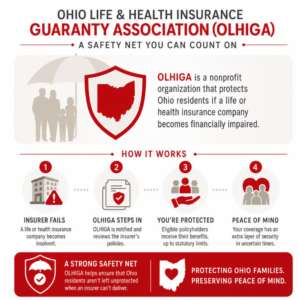
One of the most significant protections for Ohio residents is the Ohio Life and Health Insurance Guaranty Association (OLHIGA). This organization acts as a crucial safety net, providing a layer of security for policyholders should their life or health insurance company become financially impaired or insolvent. It ensures that, even in the worst-case scenario of an insurer failing, eligible policyholders will still receive a substantial portion of their benefits, up to certain statutory limits. This protection is a cornerstone of trust in the Ohio insurance market, offering peace of mind that investments in life insurance and annuities are not entirely lost if an insurer falters.
The Role of Financial Planning and Insurance for Seniors
For seniors, financial planning extends beyond simply managing day-to-day expenses. It encompasses a holistic approach to retirement assets, income streams, and legacy planning. Life insurance, in particular, plays a multifaceted role in this strategy. It can serve as a tool for income replacement for a surviving spouse, cover outstanding debts, or provide funds for final expenses, ensuring that loved ones are not burdened during a difficult time. Moreover, certain types of life insurance can build cash value, offering a source of funds for emergencies or supplemental retirement income.
Risk management is another critical aspect. As we age, health concerns can become more prevalent, and the cost of care can escalate. While health insurance addresses medical bills, life insurance ensures that financial obligations are met and that inheritances are protected, regardless of health status later in life. We understand the unique financial challenges and opportunities that seniors face. That’s why we emphasize the importance of tailored solutions. For those seeking to explore their options further, especially concerning life insurance that aligns with their budget and needs, understanding the nuances of available coverage is key. For more detailed information on specific offerings, we recommend exploring resources on affordable Ohio senior life insurance.
Navigating Financial Planning and Insurance Regulations
The insurance industry, particularly concerning life and health products, is heavily regulated at both the federal and state levels. In Ohio, the Department of Insurance oversees all insurance companies and agents operating within the state, ensuring compliance with state laws and protecting consumer interests. These regulations cover everything from policy language and premium rates to claims processing and marketing practices. For seniors, understanding these regulatory frameworks is vital because they define policyholder rights and set the standards that insurance companies must meet.
Regulatory compliance is not just about protecting consumers; it also ensures the stability and integrity of the insurance market. State laws dictate how insurance companies operate, their financial solvency requirements, and the types of products they can offer. This oversight provides a layer of security, assuring policyholders that financially sound institutions back their insurance contracts. When considering life insurance or annuities, Ohio seniors should be aware that these products are governed by specific statutes designed to safeguard their investments and ensure that benefits are paid as promised. This regulatory environment is especially critical when assessing an insurance provider’s long-term viability, underscoring the importance of organizations like OLHIGA, which step in when an insurer fails to meet its obligations.
OLHIGA Definition and Purpose
The Ohio Life and Health Insurance Guaranty Association (OLHIGA) serves as a vital safety net for Ohio residents holding life, health, and annuity policies. It was established by state law to protect policyholders if their insurance company becomes financially impaired and unable to meet its contractual obligations. OLHIGA is a non-profit, unincorporated association of all life and health insurance companies licensed to do business in Ohio. When an insurer fails, these solvent member companies contribute to a fund that OLHIGA uses to pay covered claims, up to specific statutory limits.
This mechanism ensures that policyholders do not lose their entire investment or coverage if their insurer goes out of business. It’s a system of pooled resources designed to maintain public confidence in the insurance industry. For a non-expert, this means that if you have a life insurance policy or an annuity from a company licensed in Ohio, and that company suddenly becomes insolvent, OLHIGA steps in to provide a measure of financial protection. They will work to continue coverage or pay claims, offering a crucial layer of security that transcends the individual financial stability of any single insurance provider. The Ohio annuity guarantee, provided through OLHIGA, is particularly important for seniors who rely on these products for retirement income, as it ensures that an insurer’s failure does not jeopardize their future financial security.
Residency and Eligibility for State Protection
For an Ohio resident to be eligible for protection under the Ohio Life and Health Insurance Guaranty Association (OLHIGA), specific criteria related to residency and the type of policy held must be met. Generally, the policyholder must be a resident of Ohio at the time the insurance company is declared insolvent. This residency requirement ensures that the state’s guaranty association protects its own citizens. However, there are provisions for non-residents if the insolvent insurer was domiciled in Ohio and the policyholder is not eligible for protection from another state’s guaranty association.

OLHIGA covers a broad range of insurance products, including most types of life insurance, health insurance, and annuities. This encompasses traditional whole life, term life, universal life policies, and even burial insurance, which is typically a form of whole life insurance designed to cover final expenses. Health insurance policies, such as individual or group medical plans, long-term care policies, and disability income policies, are also generally covered. Annuities, which seniors often use for retirement income, also receive significant protection. Certain types of policies or portions of policies may be excluded, such as self-funded plans, certain unallocated contracts, or policies in which the insurer does not fully bear the risk. Understanding these distinctions is crucial for Ohio seniors to confirm their coverage.
Coverage Limits and Verified Caps
While OLHIGA provides a vital safety net, Ohio seniors need to understand that there are specific statutory limits to its coverage. These limits are established by Ohio law and represent the maximum amount OLHIGA will pay out for a given policy or policyholder, regardless of the original policy’s face value. These are current statutory limits, and recognize that they are subject to Ohio law and specific policy types.
Here’s an illustrative overview of OLHIGA’s verified caps for various policy types:
Policy Type Current Statutory Limits (Illustrative Examples) Life Insurance Death Benefits Up to $300,000 per insured life Life Insurance Cash Surrender Value Up to $100,000 per policyholder Annuity Present Value Up to $250,000 per policyholder Health Insurance Benefits Up to $100,000 per policyholder Long-Term Care Insurance Benefits Up to $100,000 per policyholder Disability Income Insurance Benefits Up to $300,000 per policyholder Note: These figures represent illustrative examples of current statutory limits as of May 2026 and are subject to change based on Ohio law and specific policy types. It’s always advisable to consult the official OLHIGA website or the Ohio Department of Insurance for the most up-to-date and precise information.
For life insurance death benefits, OLHIGA provides coverage up to $300,000 per insured life. This means that if a policyholder had a life insurance policy with a face value of $500,000 and their insurer became insolvent, OLHIGA would cover up to $300,000 of that death benefit. For the cash surrender value of life insurance policies, the limit is typically set at $100,000 per policyholder. Annuities, which are often a significant part of retirement planning for seniors, are protected up to an illustrative example of $250,000 in present value per policyholder. This ensures that a substantial portion of an individual’s annuity savings is safeguarded. These caps are designed to protect the majority of policyholders while managing the financial burden on solvent member insurers.
Exclusions and the Insolvency Process
While the Ohio Life and Health Insurance Guaranty Association (OLHIGA) provides broad protection, Ohio seniors need to be aware of certain exclusions. Not every insurance product or situation falls under OLHIGA’s protective umbrella. Generally, policies issued by unauthorized insurers, self-funded plans, certain unallocated group contracts, and policies in which the risk is not fully borne by the insurer (such as administrative services-only contracts) are typically excluded. Additionally, benefits that are not guaranteed under the policy, such as certain variable annuity riders or investment returns that are not fixed, may not be covered. Understanding these policy exclusions is crucial to accurately assessing the level of protection one has.

When an insurance company faces severe financial distress, it enters an insolvency process, which is typically initiated by a state’s insurance department and overseen by a court. This process, known as liquidation, involves the appointment of a receiver (often the state insurance commissioner) to take control of the insolvent insurer’s assets and liabilities. OLHIGA then steps in to assist in managing the claims of affected policyholders. The association works closely with the receiver to identify eligible policies and process claims. This can be a complex and time-consuming process, but OLHIGA’s involvement ensures that policyholders receive their benefits as efficiently as possible, up to the statutory limits. The court orders guide the entire liquidation, ensuring fairness and adherence to legal protocols, while OLHIGA focuses on the crucial task of claim processing to minimize disruption for policyholders.
Local Authority and Frequently Asked Questions
The Ohio Life and Health Insurance Guaranty Association (OLHIGA) operates under the direct oversight of the Ohio Department of Insurance. The Department plays a critical role in regulating all insurance activities within the state, including monitoring the financial solvency of insurance companies. This regulatory oversight ensures that OLHIGA functions effectively and adheres to the statutory requirements designed to protect Ohio policyholders. OLHIGA is governed by a board of directors, typically composed of representatives from member insurance companies, who are responsible for the association’s operations, financial management, and insolvency decisions.
For consumers seeking information or needing to contact OLHIGA, their official website and the Ohio Department of Insurance are the primary resources. These platforms provide details on eligibility, coverage limits, and the process for filing claims in the event of an insurer’s insolvency. They also offer contact information for direct inquiries, ensuring that policyholders can access the support and guidance they need during what can be a challenging time.

What is the primary purpose of OLHIGA?
The primary purpose of the Ohio Life and Health Insurance Guaranty Association (OLHIGA) is to act as a safety net for Ohio residents. It provides insolvency protection for policyholders of life, health, and annuity insurance companies licensed to do business in the state. In simpler terms, if an insurance company fails financially and cannot pay its claims, OLHIGA steps in to ensure that eligible policyholders still receive their benefits, up to certain statutory limits. This mechanism safeguards consumers and maintains public confidence in the insurance industry by mitigating the financial impact of an insurer’s failure.
How are coverage limits typically structured under Ohio law?
Under Ohio law, coverage limits for OLHIGA protection are set by statutory caps, meaning there are maximum amounts the association will pay for specific types of policies. For life insurance, the death benefit coverage is typically an illustrative example of up to $300,000 per insured life, while the cash surrender value is often limited to $100,000 per policyholder. Annuity limits are generally set at an illustrative example of $250,000 in present value per policyholder. These caps are designed to protect a substantial portion of policyholder benefits without placing an undue burden on the solvent member insurers who fund the guaranty association. It’s crucial to remember that these are current statutory limits and may change with legislative updates.
Does residency affect eligibility for protection?
Yes, residency significantly affects eligibility for OLHIGA protection. Generally, to be covered by OLHIGA, the policyholder must be a resident of Ohio at the time the insurance company is declared insolvent. This ensures that the state’s guaranty association primarily serves its own citizens. However, there are exceptions. If the insolvent insurer was domiciled in Ohio, and the policyholder is not eligible for protection from another state’s guaranty association (perhaps because their state doesn’t have one, or their policy type isn’t covered there), then OLHIGA might provide coverage even if the policyholder is a non-resident. This complex interplay between state residency and insurer domicile ensures that policyholders are protected by at least one guaranty association, preventing coverage gaps.
Conclusion
Navigating the complexities of life insurance and financial planning in your senior years can seem daunting. Still, with the right knowledge and resources, it becomes an empowering step towards securing your legacy. For Ohio seniors, understanding the various types of life insurance—from term to whole life and final expense options—and how they fit into your overall financial picture is crucial. We’ve explored the factors influencing costs, the availability of no-medical-exam policies, and the importance of comparing quotes to find the most affordable rates tailored to your unique needs.
Beyond individual policy choices, the robust regulatory oversight provided by the Ohio Department of Insurance and the essential safety net of the Ohio Life and Health Insurance Guaranty Association (OLHIGA) offer significant peace of mind. OLHIGA’s protections, with their specific statutory limits for life insurance death benefits, cash surrender values, and annuity present values, underscore the state’s commitment to safeguarding its residents’ financial futures against insurer insolvency. These protections, funded by solvent member companies, ensure that even in the rare event of an insurer’s failure, eligible policyholders will retain a substantial portion of their benefits.
In final thoughts, we encourage all Ohio seniors to review their financial plans and insurance coverage proactively. Whether you are looking to cover final expenses, leave a legacy, or ensure your loved ones are protected, informed decisions are key. Leveraging resources like OLHIGA’s information and consulting with knowledgeable professionals can help you build a secure financial future, ensuring that your golden years are lived with confidence and peace of mind.