
Understanding Official Advisories and Government Resources
Travel promises incredible experiences, from breathtaking sights to new cultural encounters. As we look forward to these adventures in April 2026, ensuring our safety and financial security remains a top priority. A well-prepared traveler is a confident traveler.
This extensive guide will equip you with essential knowledge. We will explore official U.S. government advisories and resources, decode airport security procedures, and share proactive personal safety strategies. We’ll also cover crucial steps for managing emergencies abroad. Our goal is to empower you to navigate the world securely and enjoy every moment of your journey.
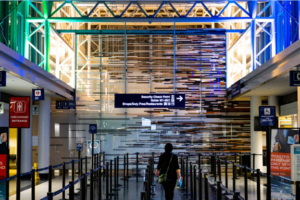
Travel security involves a multi-layered approach, encompassing everything from government advisories to personal vigilance and smart packing. It’s about understanding potential risks, leveraging available resources, and making informed decisions to mitigate threats. This holistic perspective ensures we’re prepared for various scenarios, allowing us to focus on the enriching aspects of our travels.
The U.S. Department of State plays a crucial role in informing American citizens about potential risks abroad. Their Travel Advisories provide vital information, classifying destinations into four distinct levels, each signifying a different degree of caution for travelers. These advisories are not meant to deter travel but to provide a clear understanding of the environment you might encounter.
The four Travel Advisory levels are:
- Level 1: Exercise Normal Precautions – This is the lowest advisory level for safety and security risk. We should exercise normal precautions as we would in any major city.
- Level 2: Exercise Increased Caution – This level suggests there are heightened risks to safety and security. We might need to be more aware of our surroundings, especially in certain areas, or at specific times.
- Level 3: Reconsider Travel – This advisory indicates serious risks to safety and security. The State Department may recommend we avoid travel to this location due to various factors.
- Level 4: Do Not Travel – This is the highest advisory level, indicating a greater likelihood of life-threatening risks. The U.S. government may have very limited ability to provide assistance in such locations.
These advisories are dynamic, regularly reviewed, and updated based on current events and intelligence. They often include specific risk indicators such as crime (C), terrorism (T), civil unrest (U), health issues (H), natural disaster (N), kidnapping/hostage-taking (K), and wrongful detention (D). For comprehensive guidance on international travel safety, we frequently refer to the official International Travel Guidance | Travel.State.gov. Understanding these levels and indicators is the first step in responsible international travel.
Navigating High-Risk Destinations
When a country is designated with a Level 4 ‘Do Not Travel’ advisory, it signifies an extreme risk to travelers. As of April 2026, such advisories are typically issued for regions experiencing active conflict, widespread civil unrest, significant terrorist activity, or severe health crises. These situations can develop rapidly, making travel exceptionally dangerous and consular assistance potentially very limited. For instance, countries grappling with ongoing armed conflicts or those where governmental control is severely compromised often fall into this category. Travelers should always consult the most current Travel Advisories before making any international travel plans, as conditions can change dramatically. Regional instability, even in neighboring areas, can also impact the safety of a destination.
The Smart Traveler Enrollment Program (STEP)
One of the most valuable resources for U.S. citizens traveling abroad is the Smart Traveler Enrollment Program (STEP). By enrolling our trips with STEP, we provide the local U.S. embassy or consulate with our contact information and itinerary. This enables them to reach us with critical emergency alerts, such as natural disasters, civil unrest, or security threats, and to assist our family back home in contacting us in an emergency.
STEP also facilitates consular notification, ensuring that the embassy is aware of our presence in a country and can provide assistance if we encounter legal trouble or require emergency services. In the event of a major crisis, our enrollment helps the U.S. government account for and assist citizens in evacuating or accessing necessary resources. Enrollment is quick and free, and we highly recommend it for all international journeys via Travel.State.Gov.
Navigating Airport Security and TSA Regulations
Airport security is a critical component of travel safety, particularly for air travel. The Transportation Security Administration (TSA) implements rigorous screening procedures to ensure the safety of all passengers and crew. Understanding these regulations is key to a smooth airport experience. We are all familiar with the 3-1-1 liquids rule for carry-on bags: liquids, aerosols, gels, creams, and pastes must be 3.4 ounces (100 milliliters) or less per item, fit in one quart-sized bag, and be limited to one bag per passenger.
Additionally, most personal electronic devices larger than a cell phone, such as laptops, tablets, and e-readers, must be removed from carry-on bags and placed in a separate bin for X-ray screening. These measures are designed to detect prohibited items, including weapons, explosives, and other dangerous materials. TSA’s screening processes are constantly evolving to address new threats, and we can always find the latest information and guidance on the official Travel | Transportation Security Administration website.
Maximizing Efficiency with TSA PreCheck®
For frequent travelers, TSA PreCheck® offers a significant advantage in navigating airport security more efficiently. This expedited screening program allows eligible travelers to pass through security checkpoints without removing shoes, belts, light outerwear, laptops from bags, or the 3-1-1 liquids bag. This streamlined process significantly reduces wait times and enhances the overall travel experience.
Eligibility for TSA PreCheck® is determined through an application process that includes a background check and fingerprinting. Once approved, travelers receive a Known Traveler Number (KTN) which they add to their flight reservations. TSA PreCheck® is part of a broader suite of Trusted Traveler Programs, all designed to enhance security while improving the flow of legitimate travelers. For more details on the benefits and application process, we often refer to the Travel Tips | Transportation Security Administration page.
Baggage Security and Screening Procedures
Both carry-on and checked baggage undergo thorough screening by the TSA. Carry-on bags are typically X-rayed, and passengers may be subject to advanced imaging technology or pat-downs. For checked bags, the process is largely behind the scenes, involving sophisticated explosives detection systems. The TSA screens approximately 3.3 million carry-on bags and 1.3 million checked bags daily for explosives and other dangerous items.
When packing checked luggage, it’s advisable to use TSA-recognized locks. These locks can be opened by TSA agents using universal master keys for inspection, preventing damage to our luggage if a physical search is required. We should also be aware of specific restrictions, such as those on powder-like substances over 12 ounces (350 milliliters), which may be subject to additional screening or even prohibition in carry-on bags, especially for international flights. For securing valuable documents and currency, especially in carry-on luggage, utilizing a specialized product like the Secure Your Stash with the Ultimate Anti-Theft Travel Wallet can provide an extra layer of protection against theft.
Proactive Strategies for Personal Travel Security
Beyond official advisories and airport procedures, personal vigilance and proactive strategies are paramount for travel security. Petty theft, pickpocketing, and scams are common occurrences in tourist areas worldwide. To avoid becoming a target, we must cultivate situational awareness, always being mindful of our surroundings and the people in them. For instance, when in crowded markets or on public transport, keeping belongings secure and out of easy reach is crucial.
Investing in anti-theft gear, such as bags with hidden zippers or slash-resistant materials, can significantly deter opportunistic thieves. For example, exploring options for Slash-proof hidden travel security can provide peace of mind. We also need to be wary of common scams, which often involve distractions, overcharging, or fake offers. The U.S. Department of State provides excellent guidance on crime prevention specifically for travelers on their Crime | Travel.State.gov page.
Maintaining a Low Profile for Travel Security
One of the most effective ways to avoid becoming a target for criminals is to blend in and maintain a low profile. This involves dressing appropriately for the local culture, avoiding flashy jewelry or expensive accessories that might draw attention, and generally acting discreetly. We should research local customs and dress codes before we travel to ensure our attire doesn’t inadvertently make us stand out. For example, wearing university-branded gear or clothing that overtly identifies us as tourists can increase our visibility as potential targets. The National Counterintelligence and Security Center offers valuable Travel Tips that emphasize the importance of blending in and being culturally aware. By observing local behaviors and adopting a similar demeanor, we can reduce our chances of being singled out.
Financial Safeguards and Emergency Travel Security
Protecting our finances while traveling is just as important as our physical safety. This involves a combination of smart planning and utilizing security tools. We should consider carrying a “dummy wallet” with a small amount of cash and expired cards to hand over in case of a robbery, reserving our main wallet or money belt for essential funds and identification. RFID-blocking technology, found in many modern wallets and passport covers, is crucial to prevent digital skimming, where criminals use scanners to steal credit card or passport information wirelessly. For a comprehensive approach to managing money securely on the go, exploring resources on Simplified travel security finance can be highly beneficial.
For securing our most vital documents and currency on our person, especially in high-risk areas, a discreet solution like a neck pouch or money belt is invaluable. The article Stay Sharp: Why You Need a Slash-Resistant Neck Pouch for Travel highlights the benefits of such items. Additionally, we should be cautious when using ATMs, choosing those in well-lit, secure locations, and checking for any signs of tampering. Always cover the keypad when entering a PIN and avoid carrying all our cash and cards in one place.
Essential Gear and Physical Safety Measures
Packing the right gear can significantly enhance our safety abroad. An Individual First Aid Kit (IFAK) is paramount, containing not just basic bandages but also items like a tourniquet for severe injuries. Simple yet effective tools like a rubber door stop wedge can reinforce hotel room doors, providing an extra layer of security while we sleep. Personal alarms or whistles are also excellent for attracting attention in an emergency.
Beyond personal items, we must also consider broader safety aspects. Road accidents are a leading cause of death for Americans abroad, with more than 200 U.S. citizens dying each year due to road accidents overseas. We should exercise extreme caution with transportation, opting for reputable taxi services or ride-sharing apps, and avoiding driving in unfamiliar or dangerous conditions. Similarly, accidental drownings and related water accidents are one of the leading causes of death of Americans abroad. When engaging in water activities, we must always follow local safety guidelines, wear life jackets, and avoid mixing alcohol with swimming or boating.
Securing Your Accommodation
Our choice of accommodation and how we secure it directly impacts our safety. When booking hotels, we are often advised to request rooms on floors 3 through 6. This range is generally considered optimal for safety, as these floors are high enough to deter street-level access but still within reach of most fire department ladders in an emergency. Upon arrival, we should always locate the nearest fire exits and familiarize ourselves with the evacuation plan.
In addition to standard hotel security, we can enhance our safety with portable safes for valuables, especially in Airbnbs or accommodations without in-room safes. These lightweight, lockable bags can be secured to a fixed object, deterring opportunistic theft. For an extra layer of personal security, considering a Stay Sharp: Why You Need a Slash-Resistant Neck Pouch for Travel can keep critical items discreetly on our person. Furthermore, using secondary locks like a door wedge or a portable door alarm can provide peace of mind, particularly when sleeping.
Environmental and Health Hazards
Travel can expose us to various environmental and health hazards. Natural disasters, such as earthquakes, hurricanes, or tsunamis, can occur unexpectedly. We should research the likelihood of such events in our destination and know the local emergency procedures. Protecting ourselves from insect-borne diseases is also crucial, especially in tropical regions; using insect repellent with DEET is a key preventative measure. The International Travel Guidance | Travel.State.gov provides comprehensive advice on preparing for these types of risks.
Alcohol consumption abroad requires particular caution. Laws and social norms regarding alcohol can vary significantly, and excessive drinking can impair our judgment, making us more vulnerable to crime or accidents. Drink spiking is a serious concern in some areas, so we should never leave drinks unattended or accept them from strangers. Tragically, incidents of methanol poisoning from illicit or unregulated alcohol have occurred, such as the six tourists killed in Laos in 2024. We must be highly selective about where we purchase and consume alcoholic beverages.
Managing Emergencies and Financial Risks Abroad
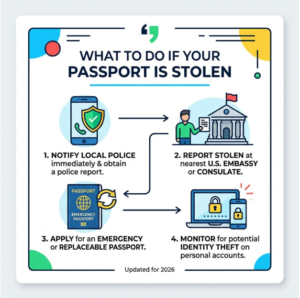
Despite our best preparations, emergencies can happen. Knowing how to respond to a lost passport, stolen items, or a medical emergency is crucial. If our passport is lost or stolen, our immediate action should be to report it to the local police and then contact the nearest U.S. embassy or consulate to apply for an emergency passport. For stolen items, a police report is often necessary for insurance claims.
Medical emergencies require knowing the local equivalent of “911” and having travel insurance that covers medical evacuation. For financial assistance in an emergency, having access to resources like Simplified travel security finance can be a lifesaver. This could involve understanding how to access emergency funds, transfer money internationally, or navigate foreign banking systems.
Digital Security and Data Protection
In today’s interconnected world, digital security is an integral part of travel safety. Public Wi-Fi networks in airports, cafes, and hotels are often unsecured, making our data vulnerable to cybercriminals. We should use a Virtual Private Network (VPN) to encrypt our internet traffic and protect our personal information. Device encryption is also vital, especially for laptops and smartphones, to safeguard sensitive data if devices are lost or stolen.
We must be mindful of what we share on social media, avoiding posts that reveal our exact location or travel plans, which could make us targets. Before traveling, it’s wise to back up all important data and consider leaving sensitive information at home. The Travel Tips from the National Counterintelligence and Security Center offer detailed guidance on protecting electronic devices and data while overseas, emphasizing that in many countries, we have no expectation of privacy in internet cafes or public places.
Contacting U.S. Embassies and Consulates
U.S. embassies and consulates are invaluable resources for citizens in distress abroad. They can assist with a wide range of emergencies, including lost or stolen passports, arrests, medical emergencies, and even providing victim assistance for crimes committed overseas. It’s essential to know their contact information before we travel. In a dire emergency, we can always reach the U.S. Department of State’s Consular Affairs office by calling +1-202-501-4444 from overseas.
These diplomatic missions can also help with repatriation in extreme circumstances, such as serious illness, death, or natural disaster. While they cannot intervene in local legal matters or provide financial aid, they can offer guidance, connect us with local resources, and facilitate communication with family back home. Always check the specific embassy or consulate information for our destination on Travel.State.Gov before departure.
Frequently Asked Questions about Travel Security
What are the most common safety risks for U.S. citizens abroad?
The most common safety risks for U.S. citizens abroad include petty theft (pickpocketing, bag snatching), road accidents (more than 200 U.S. citizens die each year), accidental drownings, and scams. Other significant risks include health issues (especially from food/waterborne illnesses or lack of adequate medical care), civil unrest, and in some regions, terrorism. Digital security threats like public Wi-Fi hacking and data theft are also increasingly prevalent.
How do I replace a lost or stolen passport while traveling?
If your passport is lost or stolen abroad, immediately report it to the local police to obtain a police report. Then, contact the nearest U.S. embassy or consulate to schedule an appointment. You will typically need to bring the police report, proof of U.S. citizenship (like a birth certificate or old passport), a valid form of photo identification, a passport photo, and a completed passport application form (DS-11 and DS-64). The embassy can issue an emergency, limited-validity passport for your return travel.
What items are strictly prohibited in TSA carry-on baggage?
TSA strictly prohibits various items in carry-on baggage, including firearms and ammunition (unless properly declared and checked), explosives, flammable liquids, and certain sharp objects (e.g., knives with blades longer than 6 cm, box cutters). Large tools, replica weapons, and self-defense sprays (like pepper spray) are also generally not allowed in carry-on bags. Liquids exceeding the 3-1-1 rule and certain powder-like substances over 12 oz. (350 mL) may also be prohibited or require additional screening. Always check the latest TSA guidelines before packing.
Conclusion
As we navigate the global landscape in April 2026, the importance of comprehensive travel security cannot be overstated. From understanding official government advisories to mastering airport security protocols and implementing personal safety strategies, preparedness is our most valuable asset. Vigilance, informed decision-making, and leveraging available resources empower us to travel confidently and safely.
By familiarizing ourselves with the information provided by the U.S. Department of State and the Transportation Security Administration, we equip ourselves to anticipate and mitigate potential risks. Remember to enroll in STEP, stay updated on Travel | Transportation Security Administration guidelines, and always prioritize personal and financial security. A final safety checklist, tailored to our specific destination and activities, can serve as a powerful tool for ensuring a secure and enriching journey. Safe travels!